Remaking the monstrous – the search for Prometheus
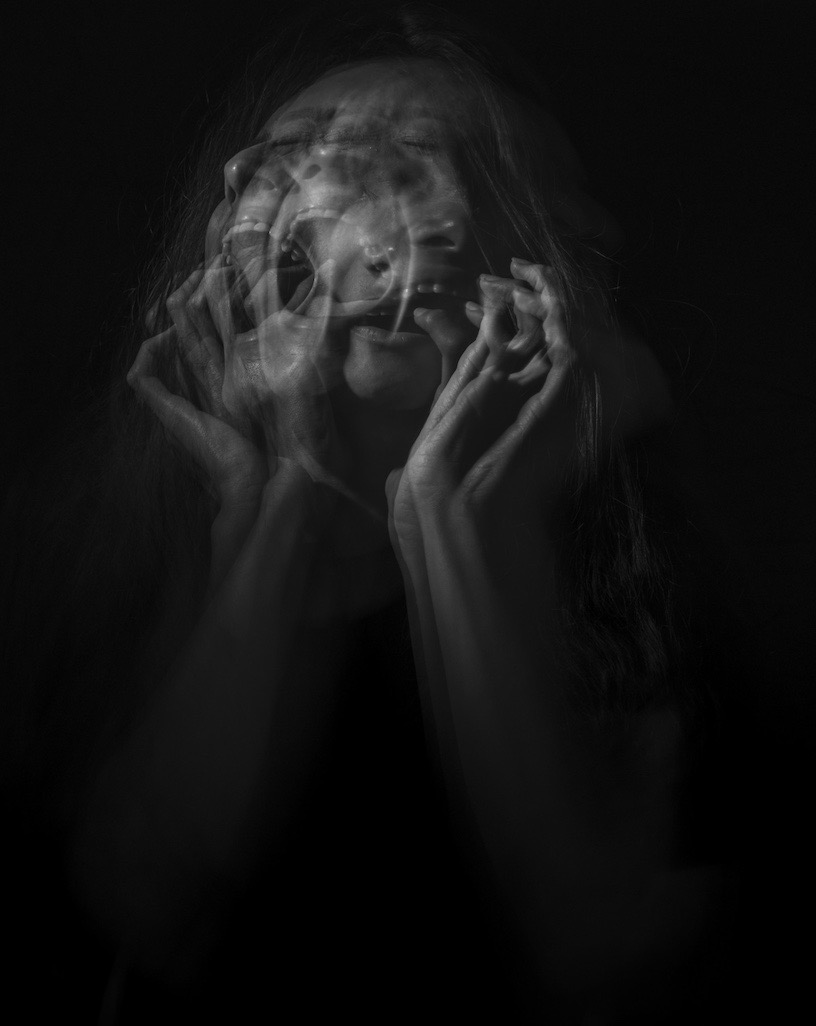
When something wicked this way comes, is it still as frightening if you recognise the footsteps? Does that cold shiver running down your spine turn tepid if you already know what bumps in the night? This is what the newest wave of monstrous adaptations has left me wondering. In the last year alone, we have seen two reimaginings of the vampire figure, while later this year we are set to receive Robert Eggers take on the werewolf. Recently, I had the pleasure of watching one the most long-awaited of these remakes, del Toro’s version of Mary Shelley’s Frankenstein.
Swept up in the flood of sequels currently in our cinemas, Shelley’s text has been resurrected once again, thus adding to the estimated four hundred and something parodies of the famed monster already in existence. With this estimation in mind, we have to question whether these remakes are still enriching the legacies of their inspirators, or if they are simply exercises in reducing risk. A fresh monster, a true modern-day Prometheus, could show us something new about the human experience however, if the moral guidance ain’t broke… Still, I think some unfamiliarity may do us good, lest we be doomed to watch the same old liver be torn out again and again and again.
I would like to preface this argument with the admission that while not all adaptations are created equal, there are some triumphs amongst the defeats. For example, I can think of multiple vampire films that are subpar in terms of storytelling, and though I won’t name them, I would like to note that Kristen Stewart has gone on to produce much more compelling work. On the other hand, I thoroughly enjoyed both Eggers Nosferatu and del Toro’s Frankenstein. It is undeniable that both adaptations are visually breathtaking, and their creators demonstrate a genuine love for the books that inspired them. Suffice to say I will be returning to them both come October without hesitation.
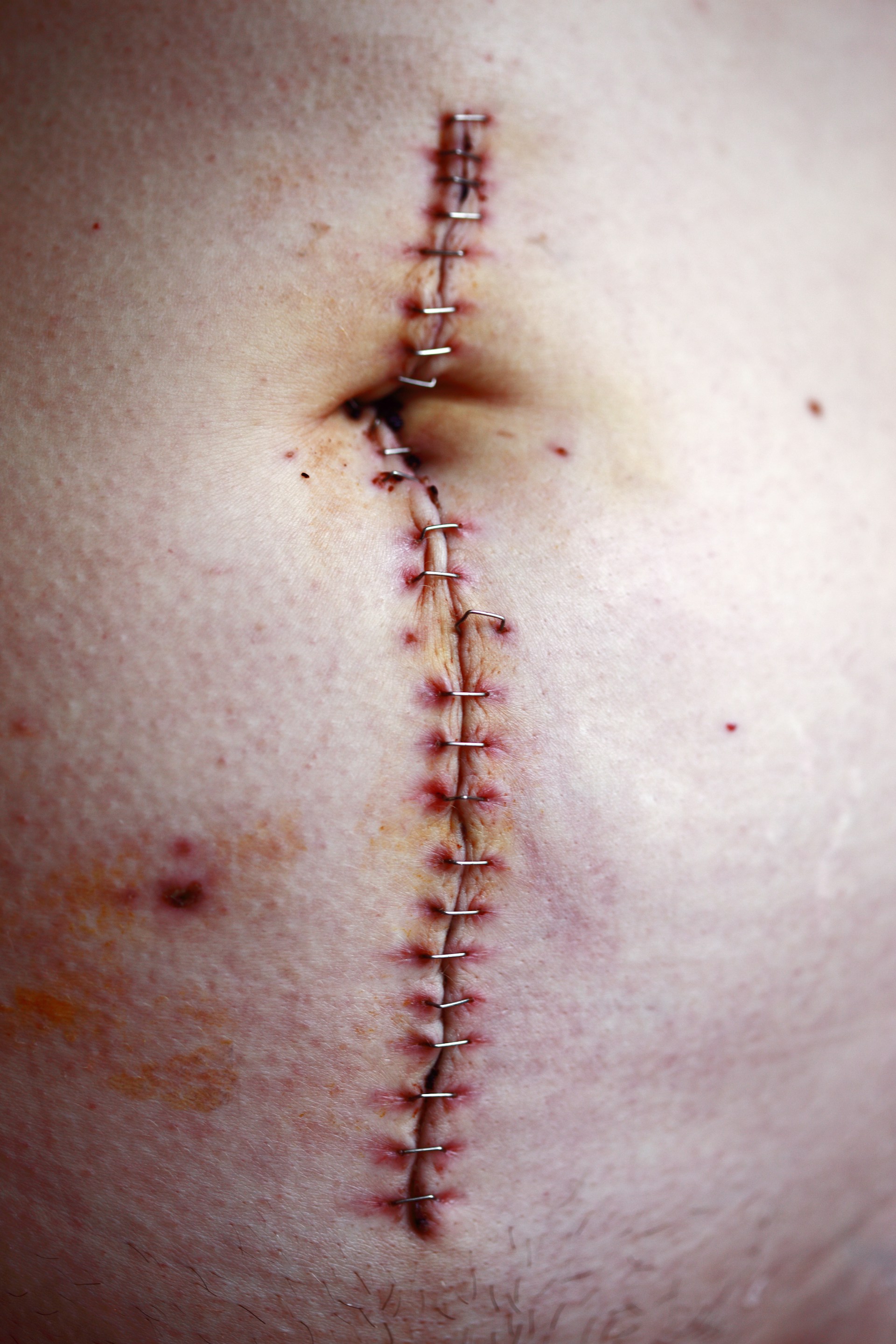
In del Toro’s case in particular, the detail in the costuming and practical effects alone shows a passion for the craft of storytelling that is seldom seen in other remakes. While the monster's appearance may differ from the book, there is an elegance to this new creature that makes a welcome change to the oafish zombie that usually ambles across the screen in similar parodies. By removing some of the familiarity from Shelley's monster, we are suddenly intrigued by a story that we thought we already knew. Here, it seems there is no harm in using a little creative licence to make the masses engage with the classics. In many ways, these sequels, adaptations, and recreations come to reflect the composition of the monster itself. They are collections of narrative body parts, stitched back together in their own unique ways by each new imitator. Unfortunately, I would still argue that none of these new narrative surgeons have been quite so skilled as the mother of science fiction herself, and it takes very little picking before the stitches begin to split.
Beyond Frankenstein, in both the film and the literary canon, the monster often serves as a societal mirror. First, they frighten the reader with sharp teeth and murky eyes and then, more disturbingly, with the reflection of ourselves staring back at us through the gloom. Our mission as writers is to catch these reflections at every angle, the more unflattering the better. Therefore, the problem that arises with monstrous adaptation is that we seem to always be photographing the same portrait. Where are the double chins and the hairy moles? Why do we continue to beat the same undead horse?
We learn very little about the human experience from retelling, as the original text’s detailed examination of good and evil inevitably loses some of its nuance when you amputate it down to 2 hours and 30 minutes. In short, we have exhumed the same literary corpse so many times that we’ve stopped noticing the smell. We have repeatedly plundered the narrative crypt and in doing so, unearthed steadily less about ourselves. I am hungry for new monsters, armed with tusks and teeth and talons, and most importantly, something new to say about what it is to exist. We live in an era saturated in caricature, and I cannot be the only one starving for a new antagonist. How strange it is to have reached a point when I do not want to recognise the thing under the bed.
A similarly disturbing phenomenon is that while the monsters themselves have not really changed, the ways in which we consume them have. If we think back a mere 10 years, the cinema was still a treat. Films were watched with hungry eyes and the characters were carved up on the car ride home before being thoroughly chewed on. Now consumption is much less involved, with a viewer often splitting their attention between the TV screen and the phone in front of them. We no longer feast on stories; we ingest them much more passively, like a sort of narrative IV drip. Stories sustain us as they always have but we no longer seem to taste them, we have forgotten how to let the fat run down our chins. We are no longer enthralled.
The true terror of del Toro’s film is that while Frankenstein’s monster has become more animated, his viewers have undergone a sort of societal zombification. Thus, perhaps it is too much to ask a monster to fight both for a place on our screens and for our attention once it has got there. It is very possible that adaptations such as del Toro’s may be the first and only encounter with Shelley’s monster that an audience have, and while this should not be their first introduction, I am glad that they made his acquaintance at all.
All in all, while it is a joy to watch the work of giants like Shelley continue, it is hard to say whether her legacy is alive and thriving or just undead. Though the image of her monster has been continuously resurrected over the last 200 years, we have lost so many of the text's intricacies that most people can no longer outline the original plot. This is not to say that adaptation is without merit; however, if we must drift so far from our inspirators, why not just start from scratch?
I want to be haunted, to be unsettled in a way that only the unknown can. Make no mistake, I am not looking for some bestial force of mindless destruction. I want complexity in a monster. I need motive and nuance, I want hope and hatred all boiling together, I want claws and a conscience to misguide them. In essence, I want all the things that Shelley and Stoker did so well, but with the thrill of the new; a soul I can recognise but a body I cannot. A modern-day Prometheus.