Blogs in the series
More to explore
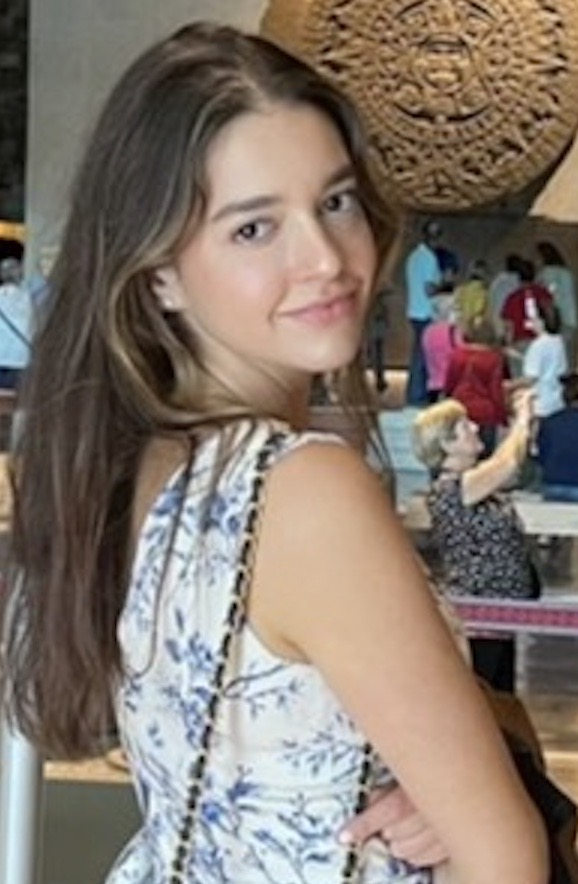
When I close my eyes and travel back to my childhood in Rio de Janeiro, the memories blur between what I imagined and what actually happened. I'm not sure it matters. The act of inventing — stories, worlds, people who didn't exist until I needed them to — has followed me for as long as I've been able to think.
I came to the United States in 2019 to pursue a degree in English Literature and Creative Writing at Barnard College. Studying literature taught me to read as a writer: to see the architecture beneath the story; to understand why a narrative worked rather than just feeling that it did. But it was only after I graduated that I understood what I wanted to build.

I wanted to write about women. Specifically, I wanted to write the female friendships I wasn't finding on the shelves at book stores. Twentieth-century romance gave us heroines who existed to be rescued; contemporary romance has given us "morally grey" protagonists — women permitted to be sharp or selfish or messy in curated ways. I love these books. But I kept hungering for something they weren't quite doing: stories where friendship is the engine, not the backdrop.
That hunger became my ambition: to decentralize romance itself — to write novels where female friendships carry the weight and intensity we usually reserve for love stories. I'm interested in relationships as mirrors: how the people we choose reveal who we are, who we're becoming, and who we're afraid to be. I write about identity, self-discovery, and the particular psychology of women learning to accept themselves.
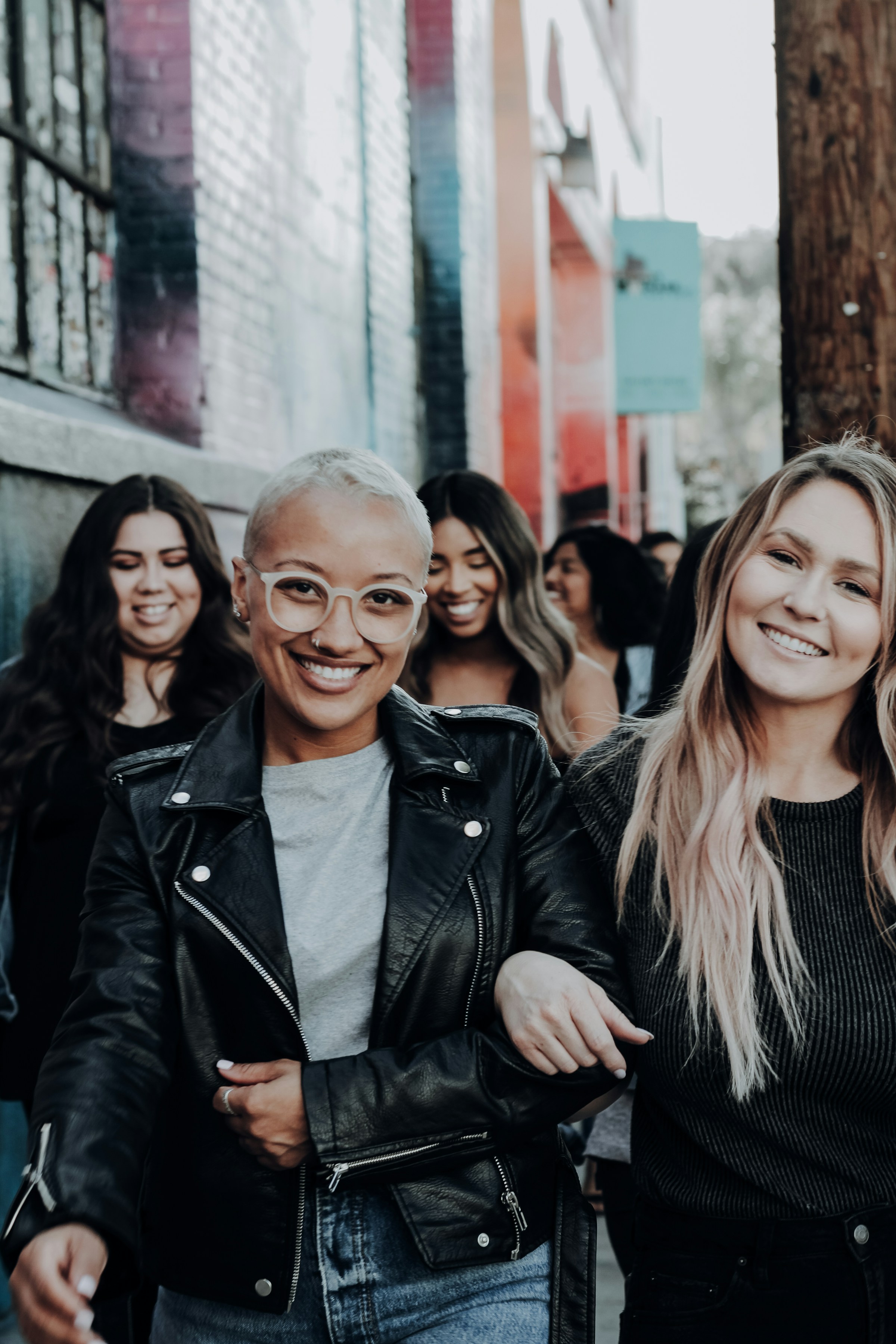
In The Midnight Saints, that friendship is Mia and Sara. Mia has spent a decade making damage invisible — on soap opera sets; on her mother's face when she was twelve. Sara is the first person who refuses to let her disappear. She sees the artist Mia buried when her mother died, the dreams Mia convinced herself were childish, and the ambition Mia has been disguising as mere survival. Mia sees Sara too — not the star, not the spectacle, but the woman underneath who has never been loved without being consumed. Their friendship isn't soft. It's the kind that makes you uncomfortable, that holds up a mirror when you'd rather look away. Sara teaches Mia to take up space. Mia teaches Sara she's worth saving. That's the friendship I wanted to write — the one that won't let you keep hiding from yourself.
That's what I'll keep writing toward: women who see each other, who refuse to look away, who make it impossible to keep hiding. Stories where the mirror matters more than the love interest. Where the hardest question isn't who will she choose but who will she become?
Read an extract from 'The Midnight Saints' here.