Blogs in the series
More to explore
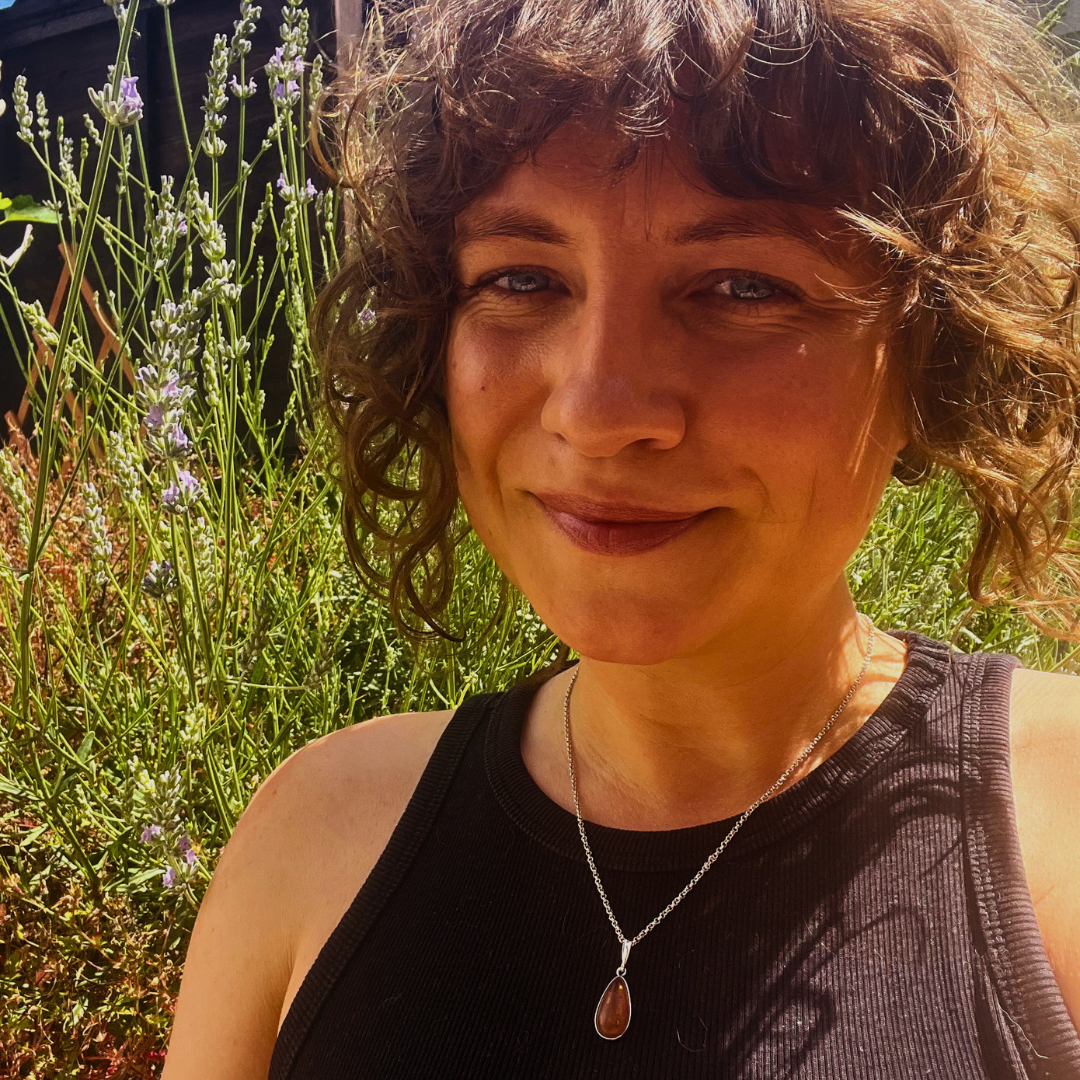
Georgia Torres is a writer and storyteller based in Bristol, working at the intersection of fiction, poetry and film to connect people with the natural world. Inspired by the beauty and complexity of nature, she explores ways in which places, living things and natural systems shape and mirror the human experience. Through her writing she hopes to cultivate a deeper sense of connection with the natural world by uncovering the ways in which we can see ourselves reflected within it, and by exploring just how deep our shared roots go.
How to Be a Lobster
We used to go down to the jetty together, clinging to each other like barnacles on a rock. The cold wind buffeted and nipped through the holes in our gloves, it smelt sweet and salt-etched and whisked away the stench of the seaweed. Now I come alone, letting the cry of the gulls bundle me up.
The small arm of concrete sits in a still lagoon, reaching out to welcome the waves which embrace it — crashing against the fortifying rocks and submerging the jetty entirely at high tide. I still invite him along, buoyed by the hope that we might envelop ourselves in a mermaid's purse of nostalgi where we can be cradled snugly and cast adrift, carried back to happier times before things changed. He always declines.
The seaweed no longer grows in the spot that I sit, right on the end, legs dangling over the edge. Once I saw a lobster, armoured but at ease as it scuttled about on the seabed, busy doing whatever it is that lobsters do. It was deaf to my protests as it crawled stoically towards and into the pot. I watched until the fisherman putted his boat into the lagoon to haul up his catch.
Sometimes I think about how I felt, before the void between us grew too large to navigate and we were left stranded on mismatched shores, his forever turbulent and crashing, mine distant and quiet. I remember being giddy, hopeful, dragged along in a current which promised to lead to warmer, bluer climes. His eyes of green marble as he whispered promises.
“This will be the last time I swear; one last blowout with the lads and then I’m off the drink for good.”
He smells like my father. Of his father.
“Just one won’t hurt. I’ll be back in an hour.”
I often wonder if I smell like my mother. People say you can’t smell yourself but sometimes I bury my face into my coat and breathe deeply when a gale breaches the horizon and the wind starts to bite. The fabric smells like rain and salt, shells and the crunch of sand underfoot, shoots as they push up through the soil. There are no notes of hearth smoke, no moss, peatland or arnica.
“That’s it, I’m done wasting days hungover.”
His words would lap at my anxieties, soothe my mouth into a smile and coax out encouraging, supportive words. They nourished my hope, these scraps, despite the fact that they were torn roughly, flung as offerings to placate the birds, forgotten once they had been gobbled up.
But mosaics of broken promises eventually set, become fixed and permanent. Even then I told myself that he would get there, that change takes time and patience, that one day the tide would go out and not roll back in. But that is not how nature works.
Through it all, my feet continue to lead me to the jetty. Over the stile, across the field and along the spit to watch the sky and the sea. Where the gannets dive and the thong weed sways in the current. I pluck limpet shells from the sand; orange, pink and brown, no two the same, and slip them in my pocket, safe from battering waves and scouring sand that will eventually wear them down until they are nothing.
Once the sun has set, I turn back, into the field, over the stile and down the lane to the cottage that is always empty and dark, left abandoned in lieu of cosier, beer filled rooms. I switch on the lamp and rattle the limpets out of my pocket and onto the bare table.
I visit the jetty in the mornings now too. The grass remembers my feet and no longer grows on the diagonal I use to cut across the field. As I carve the path, I slowly turn over the promises that have been etched in my mind, lines upon the sand. Each time his tempestuous tide rolls in the waves lap ever further, until finally, one day, the promises are gone.
The sun rises and I sit on the jetty.
The sun sets and I sit on the jetty.
The first night that he doesn’t come home I give up on trying to sleep, grab a packet of cigarettes and a box of matches and head out. The sky is just beginning to brighten.
My legs hang over the still water as the stars blot out one by one. When the last has been extinguished I stand and head for home, scooping up the little pile of burnt matches beside me. The sun is breaking over the headland and a storm is gathering as I walk, hands clinking the limpets in my pocket, fingers brushing the cigarettes. He staggers down the road from town as I hop over the stile and waves unsteadily. The torn arm of his shirt flutters, tentacles in the undertow. As we meet on the narrow lane I look into his eyes, hoping that this time something may have changed. They are glassy and bloodshot but harden as I pull out a cigarette and strike a match. The rising wind snatches my flame as soon as it has sparked.
“It’s freezing out here; let’s go light the fire, have a cuppa,” he slurs, squeezing my arm.
Behind us, I hear the waves breach the walls of the lagoon.
~
As the sun starts to dip, I head back to the jetty, gripping onto the barnacled concrete as I perch on the edge. The storm has blown through, the clouds entwine, lighter after their cascade of rain which has poured all day. The water is clear as I gaze down to the seabed. The scent of peat fire and promises clings to my coat. I watch silently as a lobster emerges from beneath a rock, scrabbles across the sand. It doesn’t recognise the pot as it crawls inside.