Blogs in the series
More to explore

Writing is a solo task. Sometimes gloriously so. Most of the action – and plenty of inaction – occurs at our desks, between us and the page. Nobody forces us to choose this station so, at least to some degree, we must enjoy it.
The little breakthroughs, the spark of a new idea. Choosing the right phrase or deciding the fate of a character who didn’t exist until we created them. There’s nothing like the joy of making something on our own.
But it can also be lonely. That’s why we need other people, other writers. Fellow travellers, familiar with the ups and downs of creative writing, and willing to offer encouragement and critical feedback.

I’ve been writing and editing for twenty years. Most of that time has been spent in health journalism and medical writing. I’ve written other things too, including a travel book on China, but I’m late to fiction.
When I began working on short stories a few years ago, I didn’t hesitate to submit to journals and competitions. At the very least, I reasoned, I’d find out which stories worked and which did not. The inevitable slew of rejections followed.
Then, a breakthrough. I came third in a flash fiction contest – which sounds like a ‘community chest’ card in Monopoly: ‘You’ve won second prize in a beauty contest. Collect £10 from other contestants.’ Along with the confidence boost that comes with any kind of positive feedback, I struck up a remote friendship with the experienced writer who won the competition. We exchanged a few works-in-progress and, thanks to some no-nonsense notes on my work, I began to improve.
I also saw his work ethic and commitment to revising that, until that point, I had been lacking. He is undoubtedly talented and inventive, but whereas I’d been going through two or three rounds of edits, he writes several drafts – trying out points of view, testing alternative beginnings and endings – and then agonises over each line to get the rhythm right or find afresh way of expressing the mundane.
The best lesson, however, was that I wasn’t going to make much progress on my own. I needed to find more writers at about my own level with whom to exchange ideas and work.
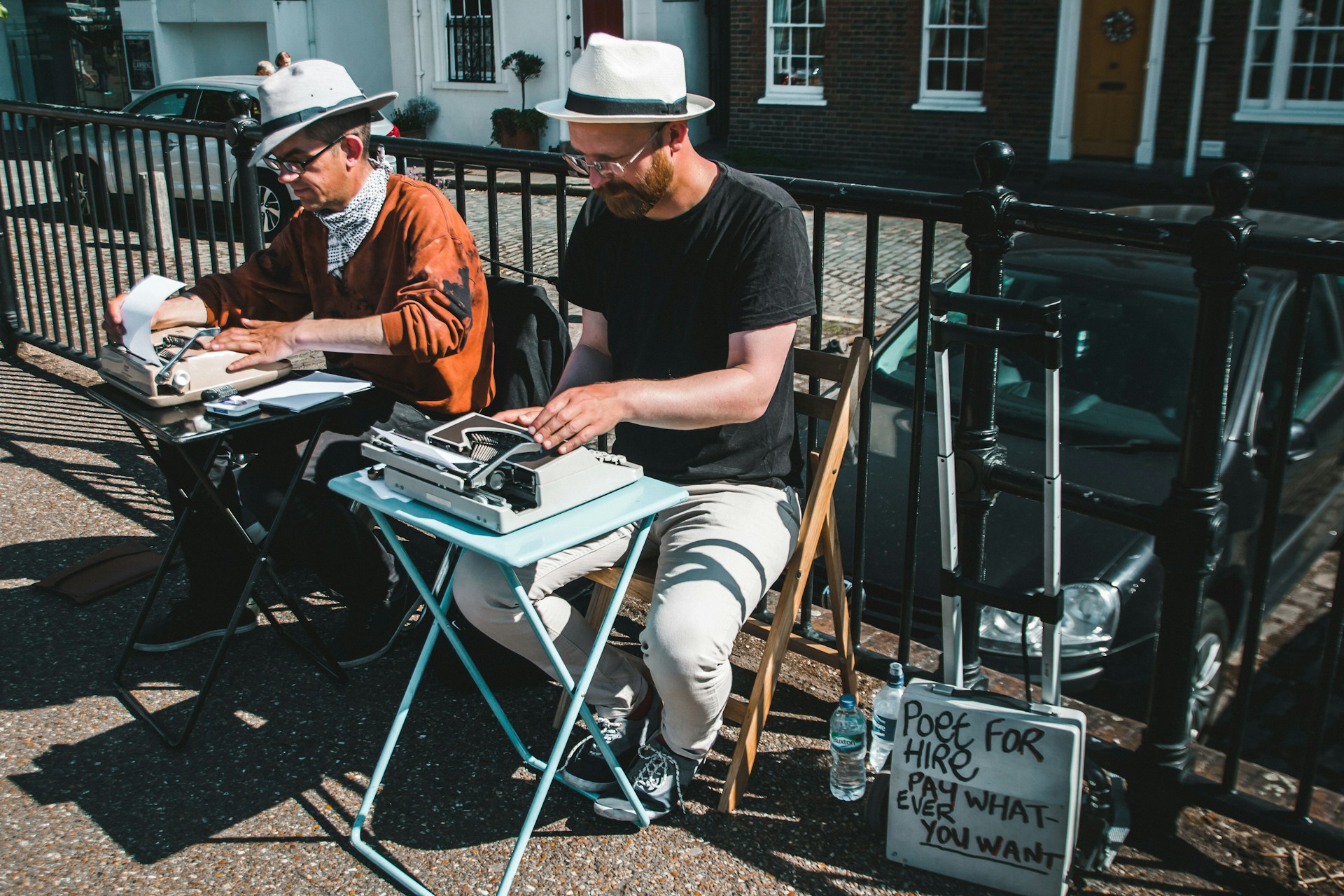
I did an MA in creative writing. The teaching and workshops helped a lot, but the lasting legacy has been the people I met on the course. Cheesy, but true. A bunch of us still meet every month to exchange work and,naturally enough, there are subgroups who go back and forth with bits of shortstories or novel chapters throughout the year.
One of my friends from the MA course has read an entire novel of mine and I have read hers. Fortunately for me, she’s a very talented writer. You don’t need to write in the same genre or style as your fellow writers, but it helps to share a general sense of what writing is for.
Like everything, exchanging work with writing groups and friends comes with pitfalls. Brutal criticism and fawning praise are equally useless. Specific actionable critiques balanced with genuine appreciation for what’s working well are usually most welcome. It’s also important that everyone in a writing group does their bit. Life gets in the way of writing and reading, of course, but everyone should be making a fair effort to engage with work submitted by others. (That said, participation is voluntary: taking a break should always be an option.)
I don’t know whether I’ve always followed these rules perfectly, but I try. And so have the people I exchange work with. When that isn’t happening, a writing group will fizzle out soon enough.
I have a long way to go before I’m the writer I’d like to be, but I have learned the best ways of making progress. It’s been plain for a long time that it was going to take large doses of perspiration along with inspiration. And that the missing ingredient in forging a writing life is other people.
Whether our writing takes us where we’d like to go, we cannot know. But at least there’s a chance of having fun along the way.
